By
By 
This summer has been chill for the NBA, which is why it is one of the best times of the year. Where I can dig through the idea bag for stuff and decide on making a couple of top ten or five lists for the rest of the summer. Basketball history is filled with stories of greatness that might have been. Injuries, circumstances, and tragedy have robbed us of witnessing some potentially legendary careers reach their full potential. Here are my top ten “what if” careers that continue to haunt myself and basketball fans leaving us to wonder what could have been, and we start with number ten.
#10 Arvydas Sabonis
The Lithuanian legend arrived in Portland at age 31, already past his athletic prime and carrying the wear of years playing professionally in Europe. Even as a shell of his former self, Sabonis displayed incredible basketball IQ, court vision, and skilled big man play that hinted at what could have been. Standing 7’3” with the passing ability of a guard and a deadly outside shot, he was essentially a prototype for the modern NBA center, basically Nikola Jokic decades before the Joker.
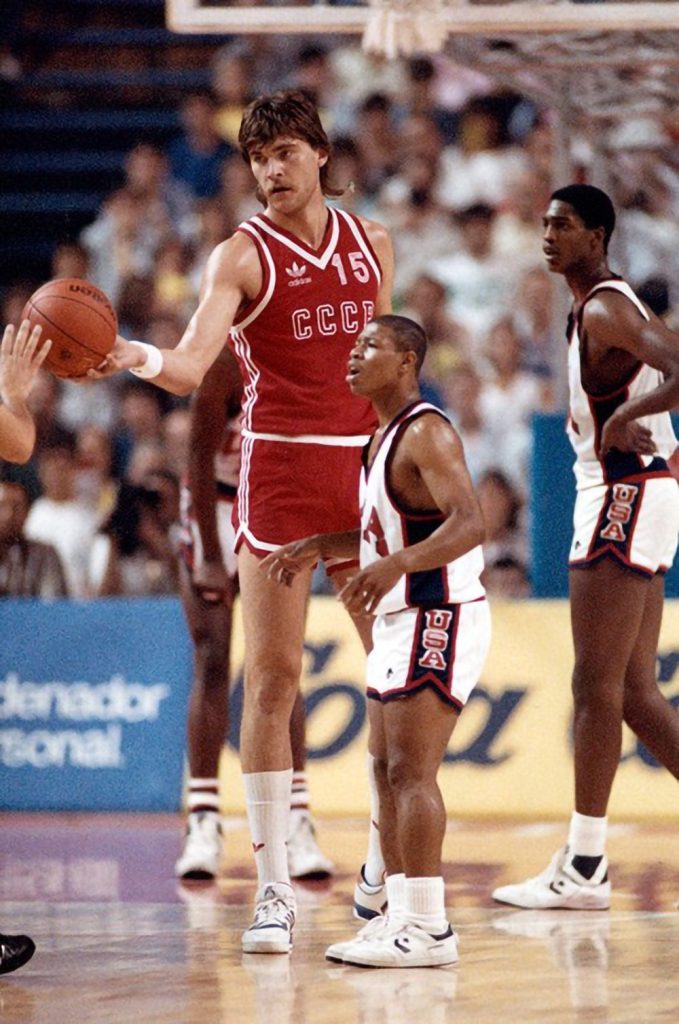
Had Sabonis come to the NBA in his early twenties instead of being blocked by political circumstances, he might have revolutionized the center position a decade earlier than it actually happened, where a prime Sabonis anchoring those Trail Blazers teams against Olajuwon, David Robinson, and Shaq in his athletic prime. The basketball world was robbed of seeing one of the most skilled big men ever during his peak.
#9 Yao Ming
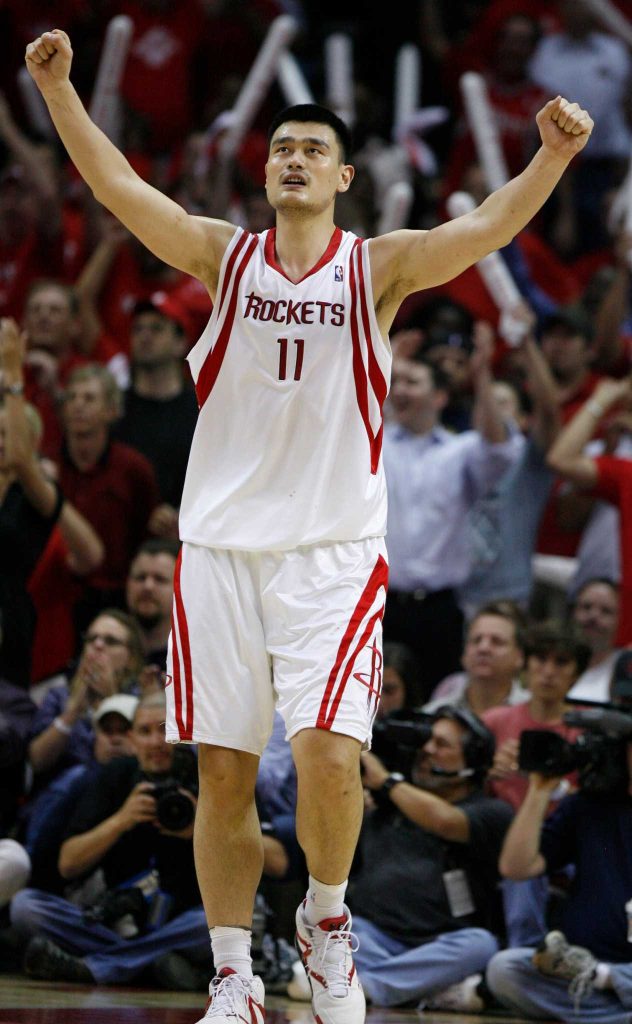
The 7’6” Yao Ming was on a trajectory toward becoming one of the greatest centers in NBA history before foot injuries cut his career short at just 30 years old. In his eight NBA seasons, he averaged 19 points and 9.2 rebounds while shooting an impressive 83.3% from the free-throw line, numbers that would have improved as he continued to adapt to the NBA game.
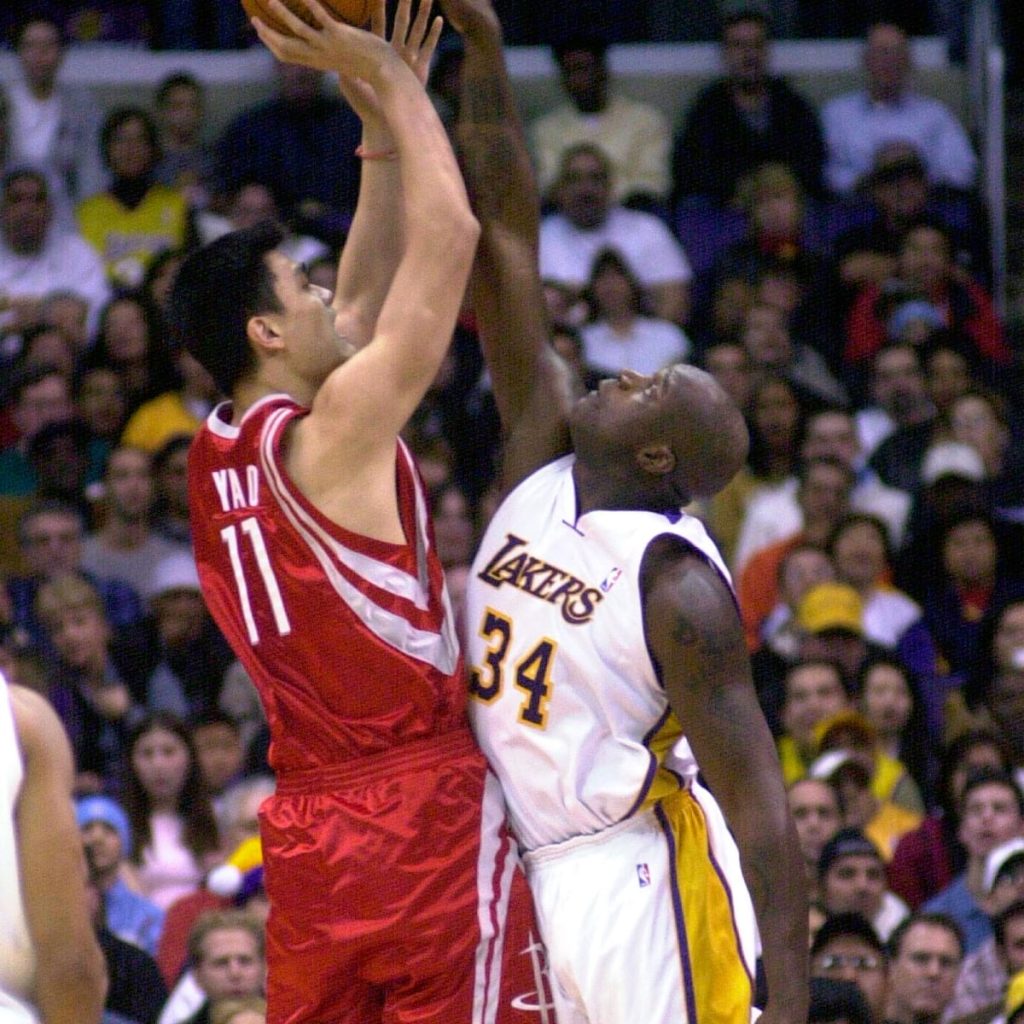
Yao’s impact transcended stats, as he opened up the massive Chinese market for the NBA and proved that international players could be franchise cornerstones. Had his feet held up, Yao was positioned to be a perennial All-Star for another 5-7 years, potentially leading the Rockets to championship contention alongside Tracy McGrady.
#8 Stephon Marbury
Stephon Marbury was my New York City point God growing up. With elite speed, court vision, and scoring ability that made him one of the most dynamic point guards of his time. However, his NBA career was derailed by attitude issues and his clashes with coaches and management overshadowed his undeniable talent. Marbury was nearly unstoppable, capable of taking over games with his quickness and ability to create shots for himself and others.
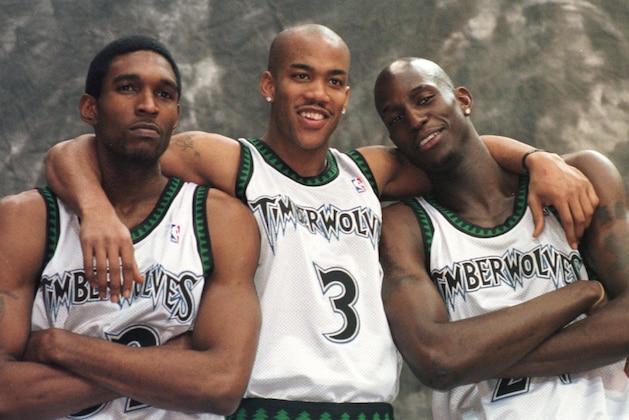
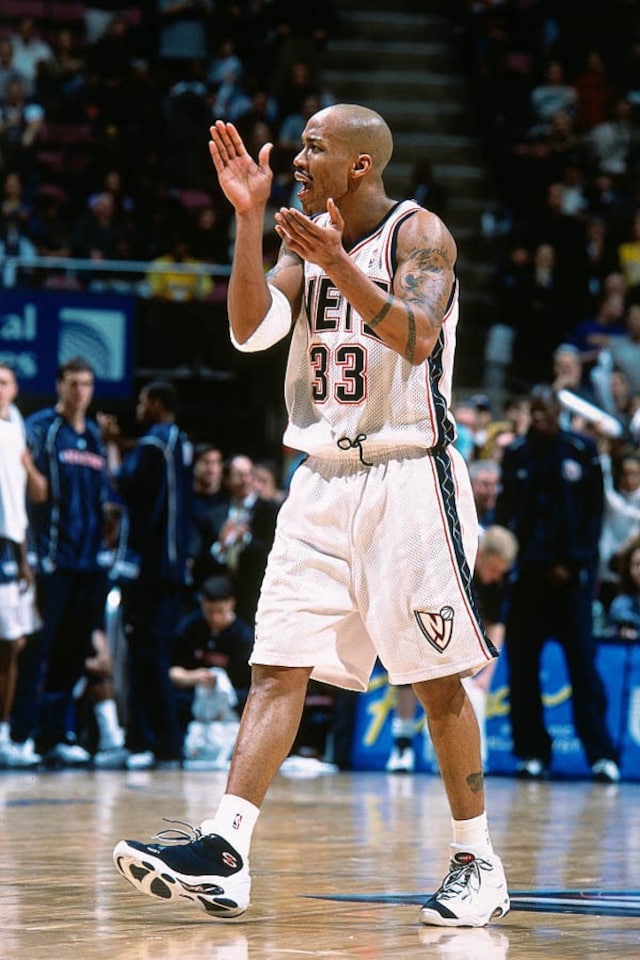
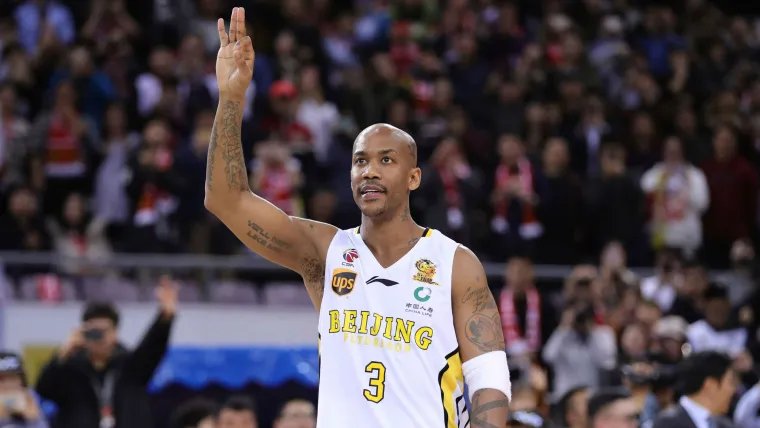
The “what If” with Marbury was not about staying healthy, but more emotional and his basketball growth. Had he learned to harness his competitive fire more constructively and developed better leadership qualities, Marbury could have been the franchise point guard that several teams desperately needed during his prime years. His later success in the Chinese Basketball Association, where he became a beloved figure and champion, only reinforces what might have been if he stayed in America.
#7 Bernard King
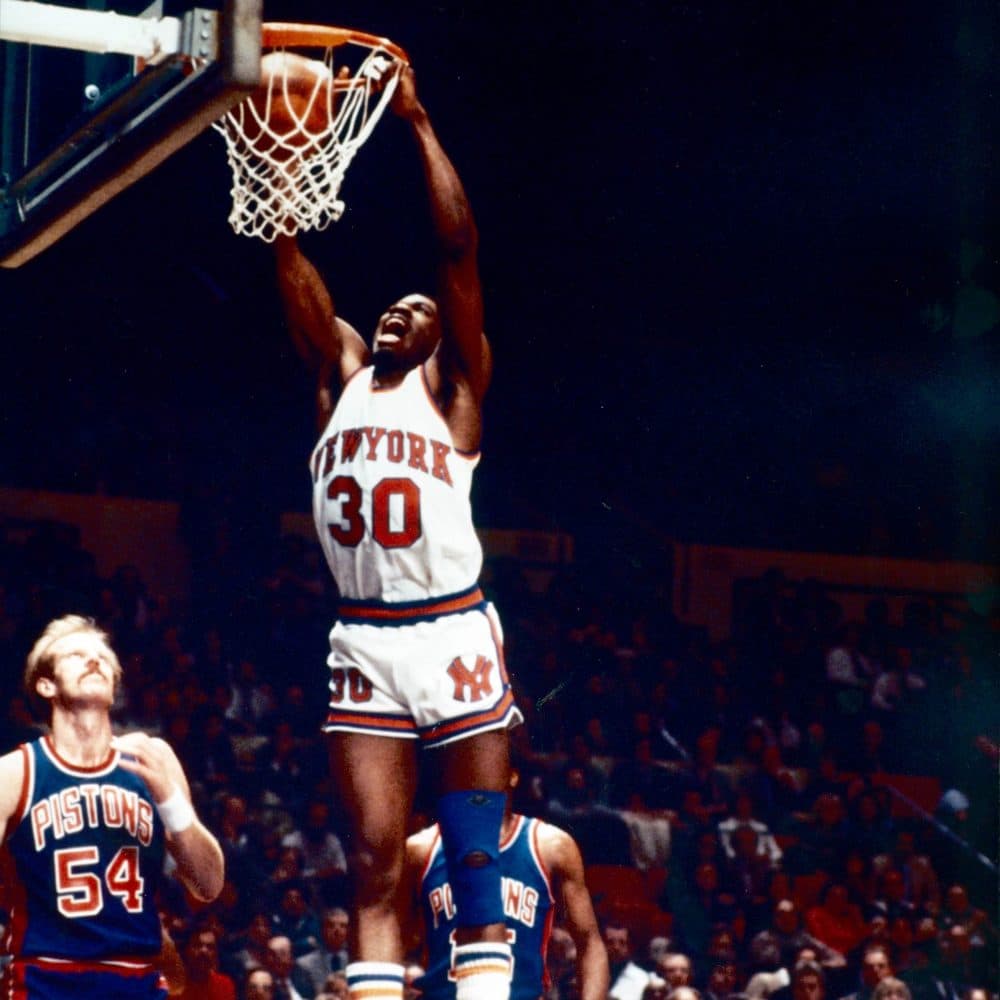
Before his devastating knee injury in 1985, Bernard King was the most unstoppable offensive force in the NBA. Bernard King was Carmelo Anthony before Carmelo Anthony and if you do not believe me, then ask Carmelo Anthony himself. His combination of footwork, post moves, and mid-range shooting made him unguardable, and his 1984-85 season saw him averaging 33 points per game while leading the Knicks to playoff contention. King’s work ethic and dedication to perfecting his craft were legendary, and he was entering what should have been his prime years.
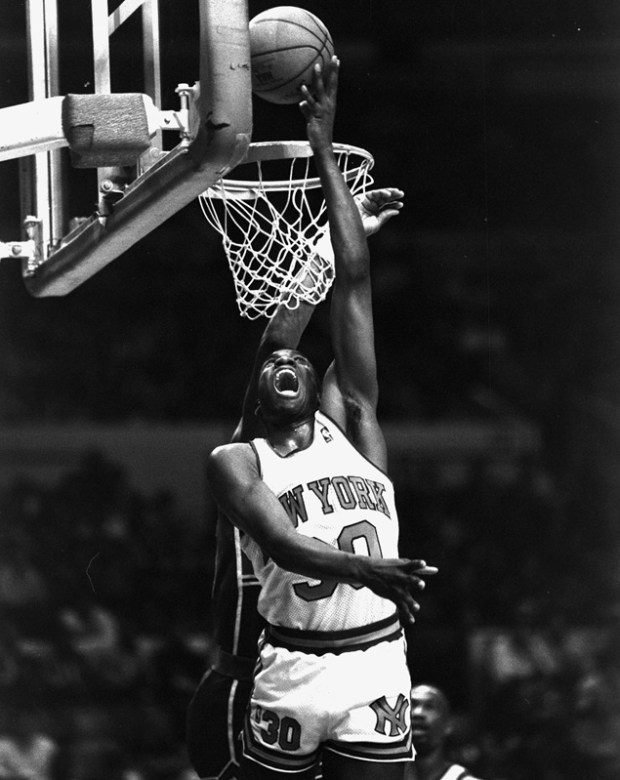
The knee injury that sidelined King for nearly two full seasons robbed basketball because the medical procedures were prehistoric compared to now denied fans from witnessing a potential all-time great scorer in his prime. While King did return and continued to be productive, he was never quite the same explosive player. Had he remained healthy, King likely would have continued averaging 25-30 points per game throughout the late 1980s and could have been the centerpiece of a championship-contending Knicks team, potentially altering the landscape of Eastern Conference basketball during that era.
#6 Len Bias
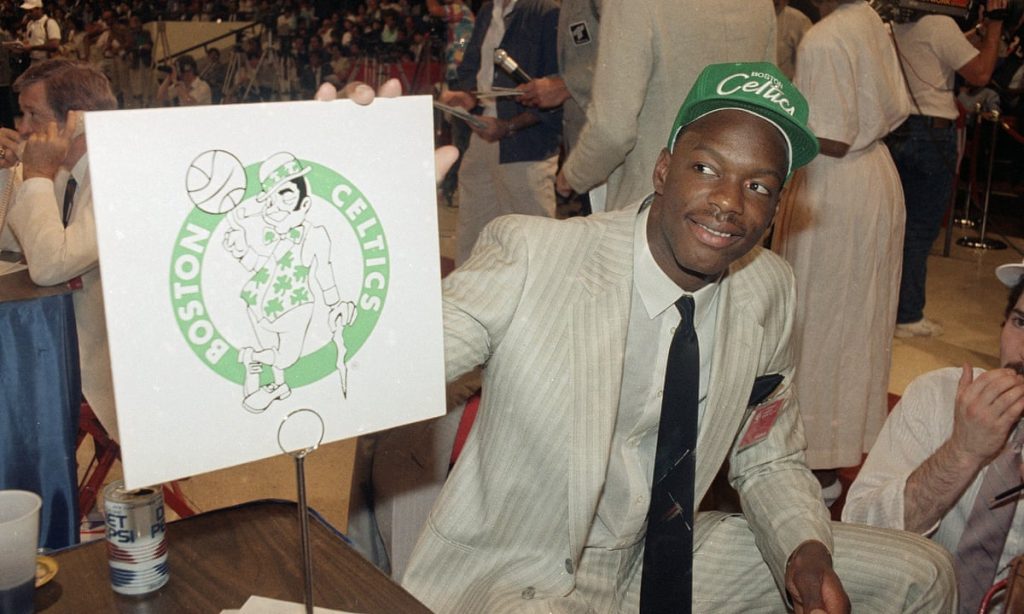
The tragedy of Len Bias goes far beyond basketball, as his death from a cocaine overdose just two days after being drafted second overall by the Boston Celtics in 1986 represents one of the most devastating losses in sports history. Bias possessed a rare combination of size, athleticism, and skill that had scouts comparing him to Michael Jordan. At 6’8” with explosive leaping ability and a developing outside shot, Bias seemed destined for superstardom.
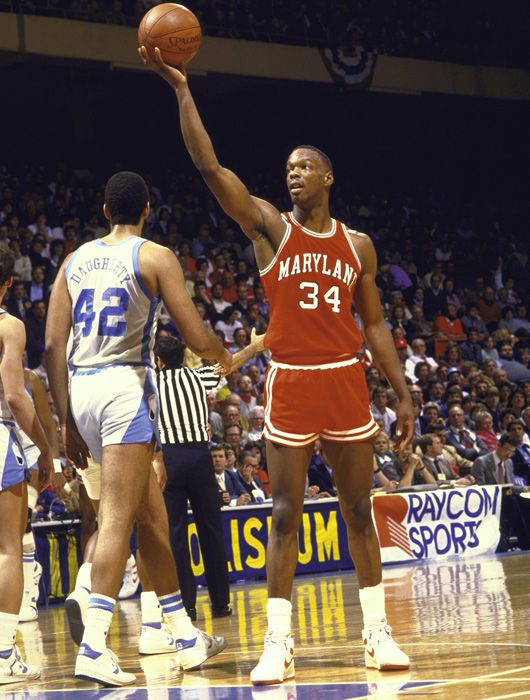
Had Bias lived and joined the Celtics, he would have been surrounded by Hall of Famers Larry Bird, Kevin McHale, and Robert Parish, potentially extending Boston’s championship window well into the 1990s. His presence might have altered the entire trajectory of the NBA, possibly preventing some of Michael Jordan’s championships and changing the narrative of that era entirely. Beyond the basketball implications, Bias’s death remains a sobering reminder of how quickly potential can be lost forever.
#5 Derrick Rose
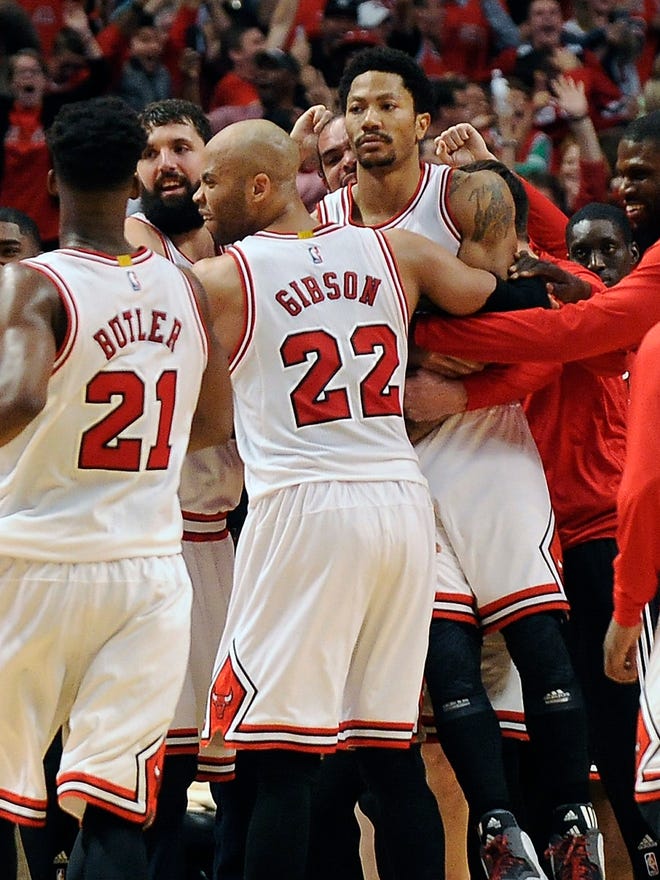
We are now on the last five of this list where the youngest MVP in NBA history, Derrick Rose was a transcendent talent whose explosive athleticism and improved jump shot made him the face of a resurgent Chicago Bulls franchise. His 2010-11 MVP season saw him average 25 points and 7.7 assists while leading the Bulls to the best record in the NBA (As well as an “F You to LeBron’s decision). Rose’s fearless drives to the basket and clutch performances in the playoffs suggested he was ready to challenge LeBron James for Eastern Conference supremacy.
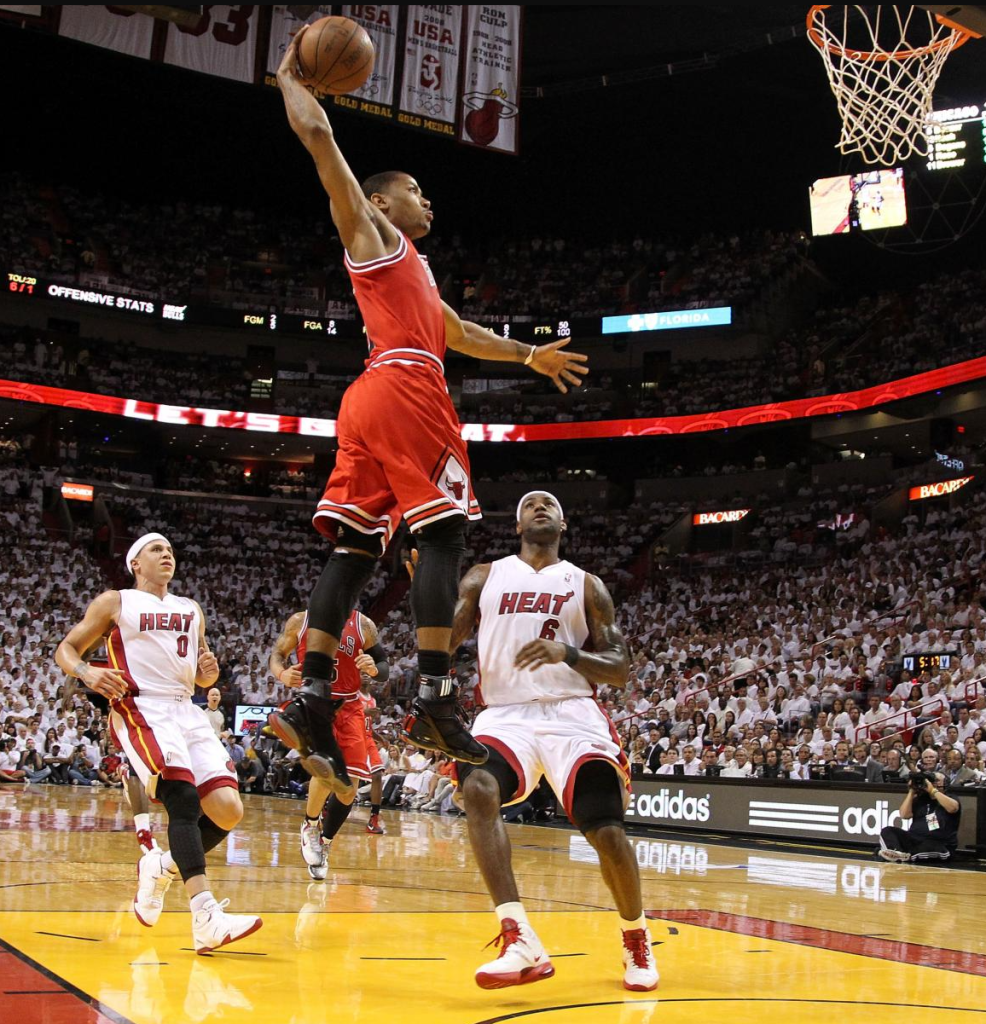
Then his ACL injury in the 2012 playoffs changed everything, not just physically but mentally, as Rose never quite recaptured his explosive first step and confidence attacking the rim. Had he remained healthy, Rose likely would have continued improving his outside shooting and basketball IQ, potentially developing into one of the greatest point guards ever. Those Bulls teams with Rose, Joakim Noah, and a strong supporting cast were built to compete for championships, and a healthy Rose might have prevented LeBron’s Heat from reaching four straight Finals and may have a statue outside of the United Center next to MJ.
#4 Grant Hill
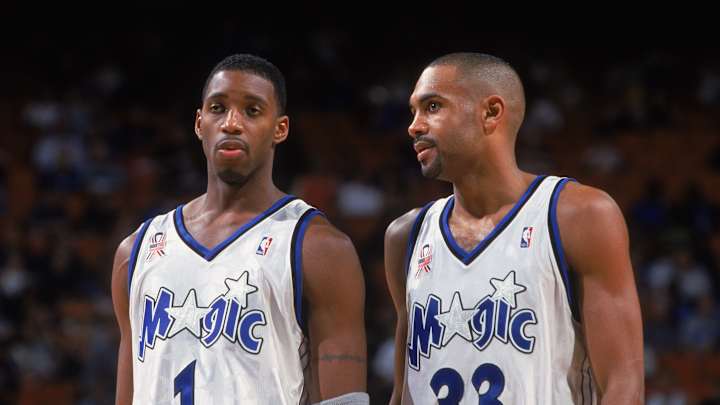
When basketball fans discuss some of the greatest what if careers one of the first names spoken is Grant Hill. Before injuries derailed his career, Grant Hill was one of the most complete players in NBA history. His rookie season saw him average 20 points, 6 rebounds, and 5 assists, and he only improved from there, becoming a perennial All-Star who could score, rebound, pass, and defend at an elite level. Hill’s versatility and basketball IQ made him matchup-proof, and his leadership qualities suggested he could have been the cornerstone of a championship team.
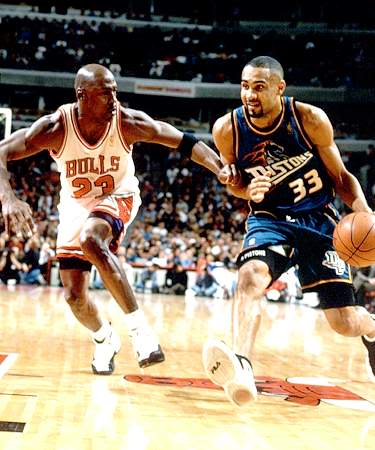
Sadly, Hill’s ankle Injuries that plagued him throughout his prime years robbed basketball fans of witnessing one of the most well-rounded players ever during his peak. Had Hill remained healthy with the Detroit Pistons or after his move to Orlando, he could have been a consistent 25-point, 8-rebound, 6-assist player throughout the late 1990s and 2000s. His combination of size, skill, and intelligence suggested he could have been mentioned alongside the greatest small forwards in history.
#3 Brandon Roy
My number three what if career is sentimental, Brandon Roy’s brief but brilliant career displayed one of the purest basketball talents of the 2000s. His combination of size, shooting, and clutch play made him an instant star in Portland, and his leadership helped transform the Trail Blazers from a dysfunctional franchise into playoff contenders. Roy’s ability to take over games in crucial moments, combined with his improved three-point shooting and court vision, suggested he was on the path to becoming one of the elite shooting guards in the league as well as the best blazer in history.
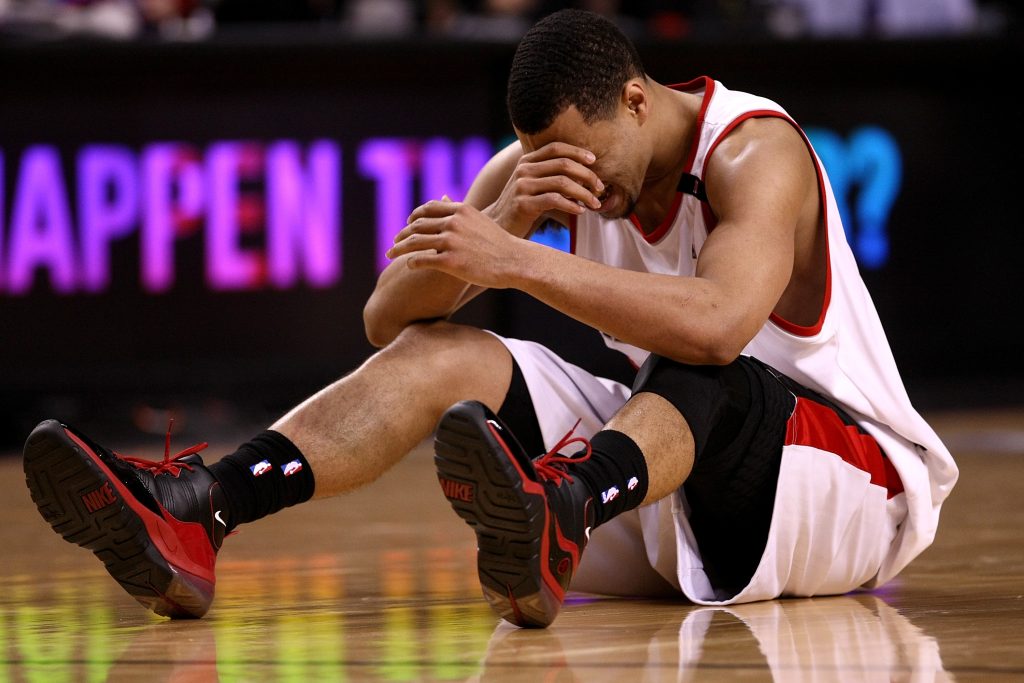
Knee problems forced Roy into early retirement at just 27 years old, cutting short a Hall of Fame trajectory. Had his knees held up, Roy would have continued developing into a complete two-way player, and the Trail Blazers’ young core of Roy, LaMarcus Aldridge, and others might have developed into a championship-contending team. Roy’s work ethic suggested he would have adapted his game as he aged, potentially remaining an elite player well into his thirties (Thanks again Toronto for picking Andrea Bargnani over Brandon Roy SMH)
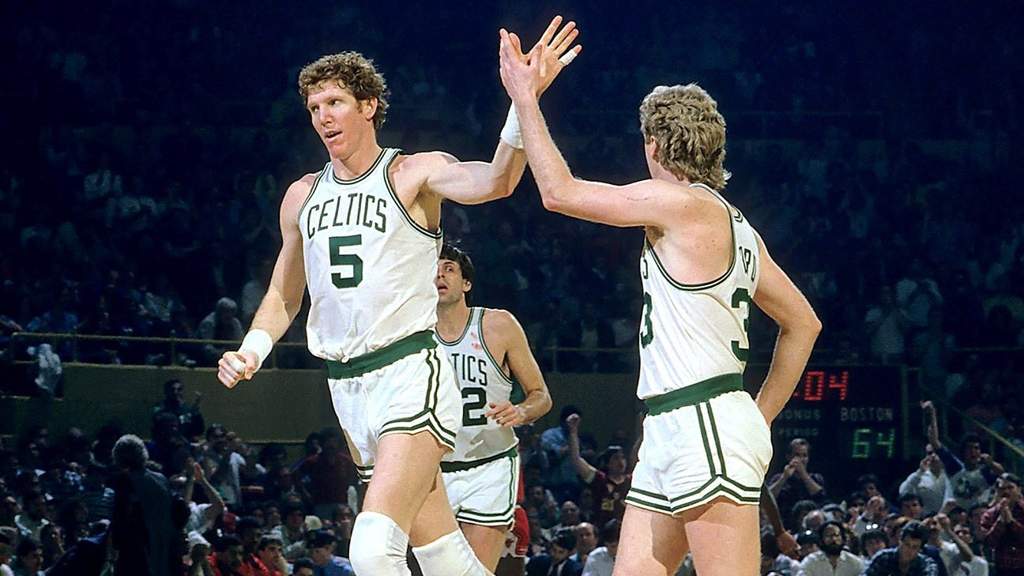
#2 Bill Walton
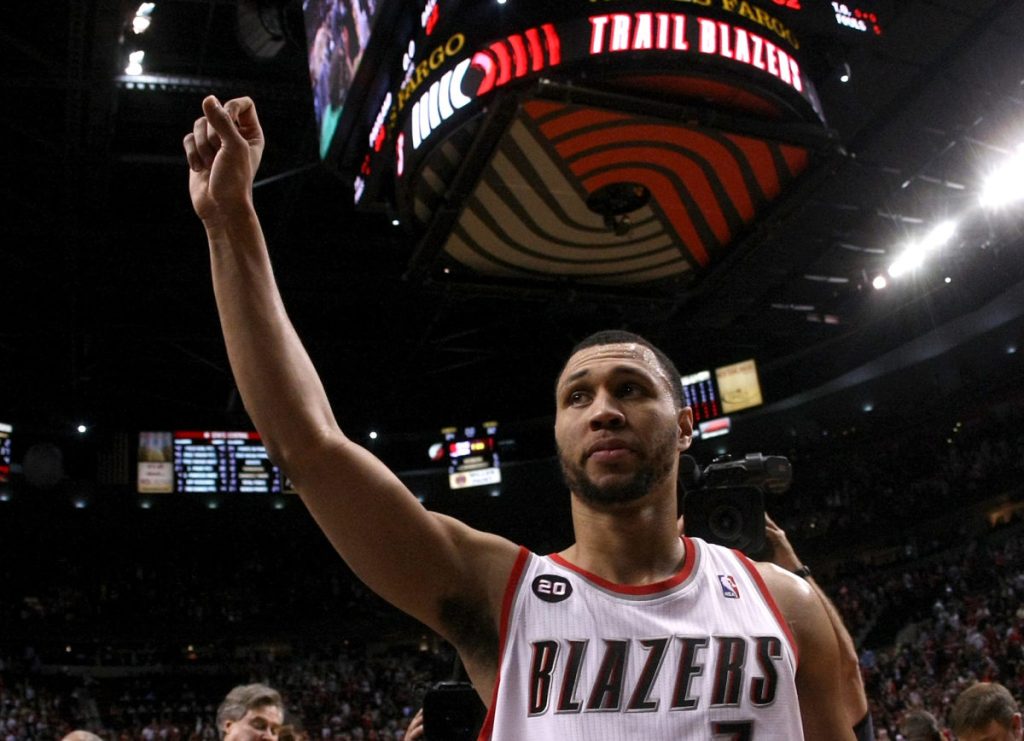
Bill Walton was arguably the most dominant center in NBA history, not named Kareem Abdul-Jabbar or Wilt Chamberlain. His 1976-77 season, when he led the Portland Trail Blazers to their only NBA championship, highlighted a player who could dominate on both ends of the court with his shot-blocking, rebounding, passing, and efficient scoring. Walton’s basketball IQ and unselfish play made everyone around him better, and his impact on winning was undeniable and was the prototype for other great centers like Sabonis and Jokic.
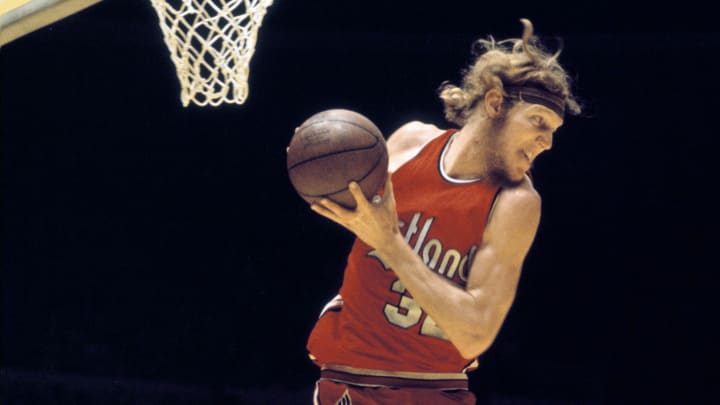
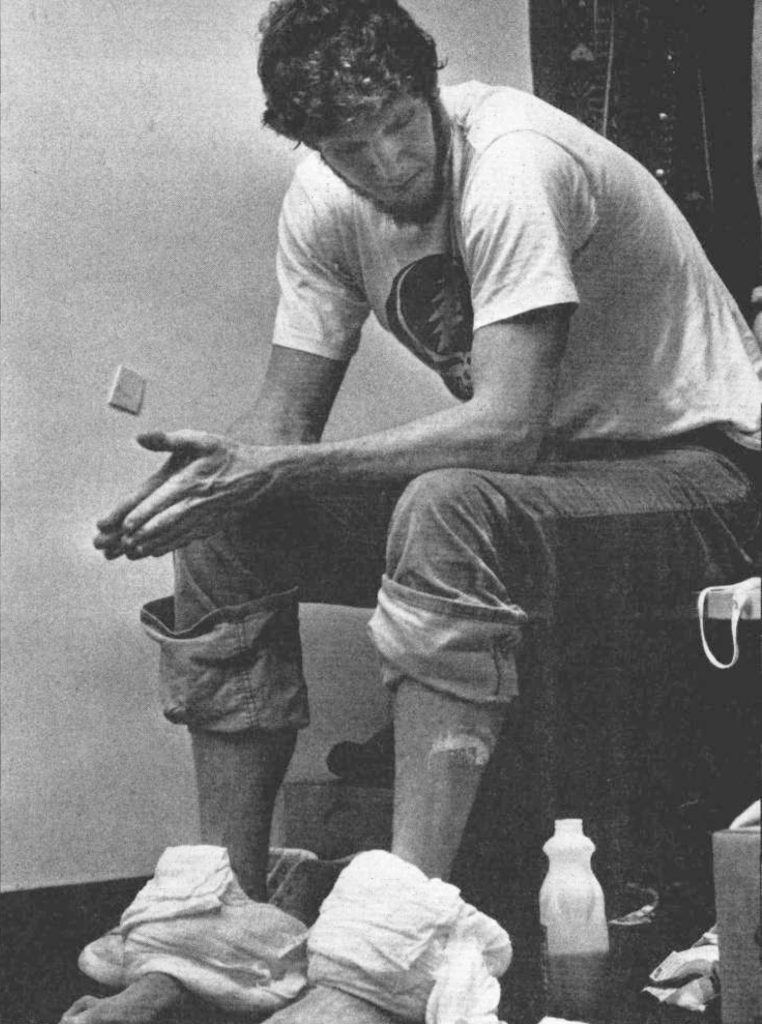
Foot injuries limited Walton to playing more than 65 games in a season just twice during his career, robbing basketball of witnessing sustained excellence from one of the most skilled big men ever. Had Walton remained healthy, he likely would have won multiple championships and could have been the most dominant force in the NBA throughout the late 1970s and early 1980s. His combination of size, skill, and basketball intelligence was unmatched, and a healthy Walton would have prevented some of Magic Johnson and Kareem’s championships while establishing himself as one of the greatest players ever.
#1 Penny Hardaway
My number one greatest what if career should not be shocking for it is Anfernee “Penny” Hardaway. Possessing a magical combination of size, speed, court vision, creativity, and overwhelming charisma that made him one of the most exciting players to watch in NBA history. At 6’7” with point guard skills, Penny could score from anywhere on the court, create for teammates, and make plays that defied logic. His partnership with Shaquille O’Neal in Orlando created one of the most dynamic duos in NBA history, and their young Magic team appeared destined for multiple championships and would have defined 1990s NBA.
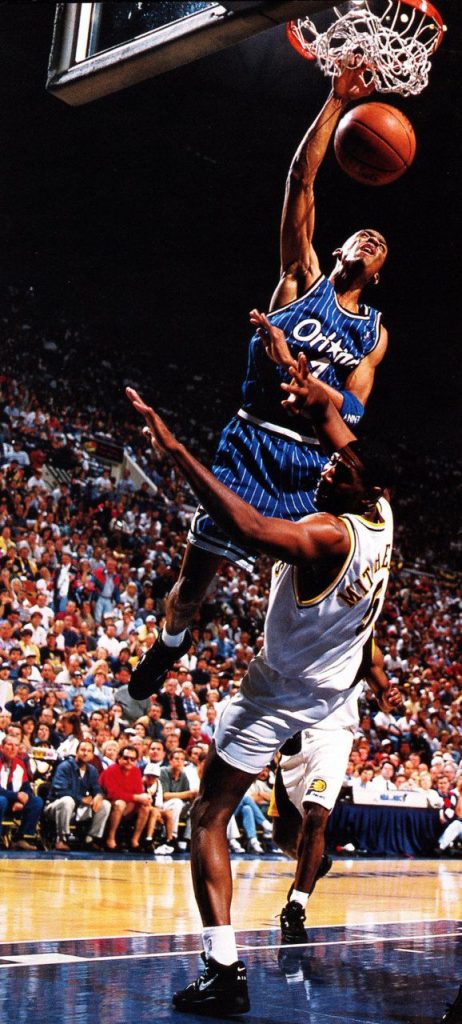
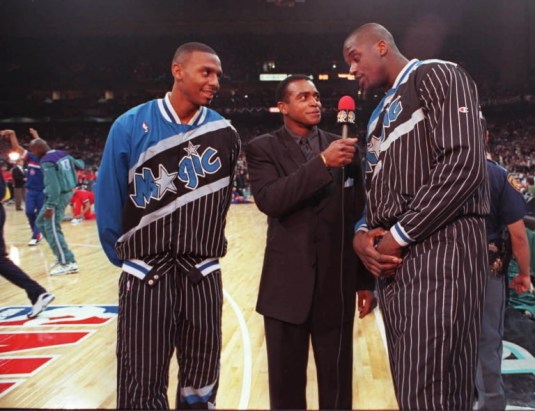
Knee injuries robbed Hardaway of his explosive first step and lateral quickness, fundamentally changing his game just as he was entering his prime. Had Penny remained healthy, he would have been the perfect complement to Shaquille O’Neal, potentially keeping the dominant center in Orlando and winning multiple championships together as well as challenged Michael Jordan and Allen Iverson for being the face of the NBA. Hardaway’s unique skill set, and basketball creativity would have him alongside Magic Johnson and other legendary point guards, and his presence might have prevented Michael Jordan from winning another championship. The combination of what Penny was and what he could have become makes him the ultimate NBA “what if.”